Day 1 – August 6: King Power Mahanakhon + ICONSIAM
King Power Mahanakhon — the pixel skyscraper that makes your head spin
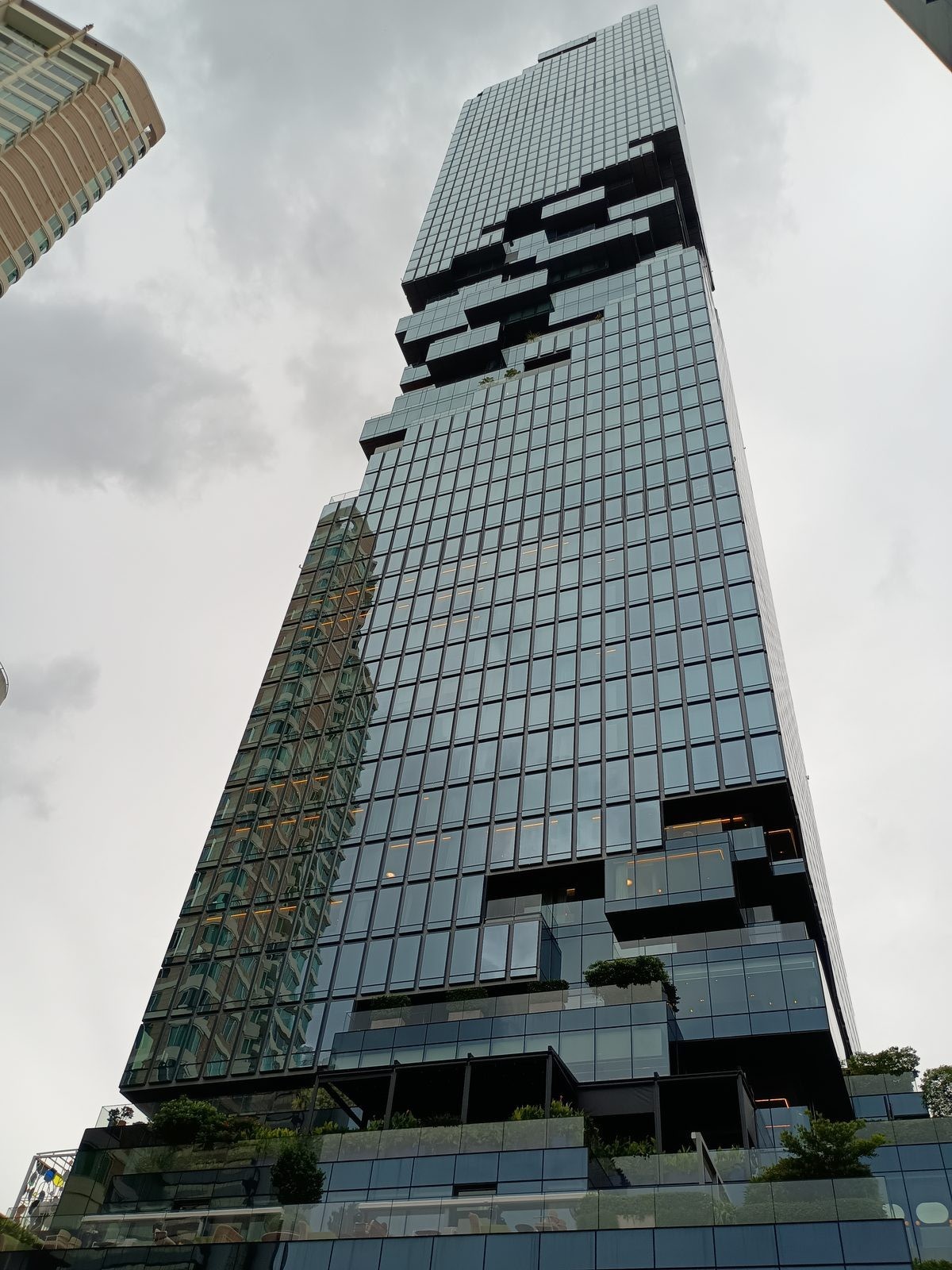
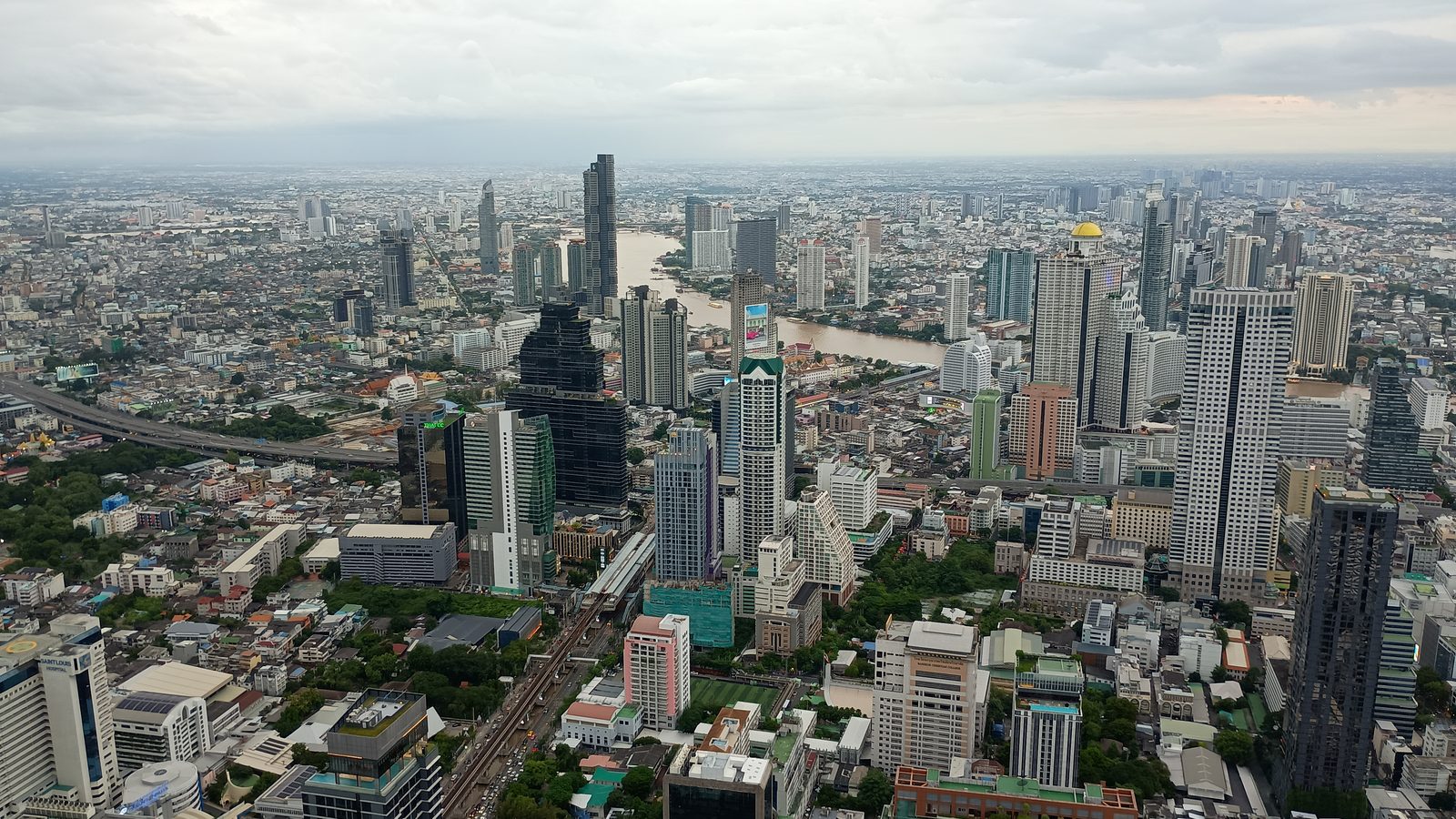
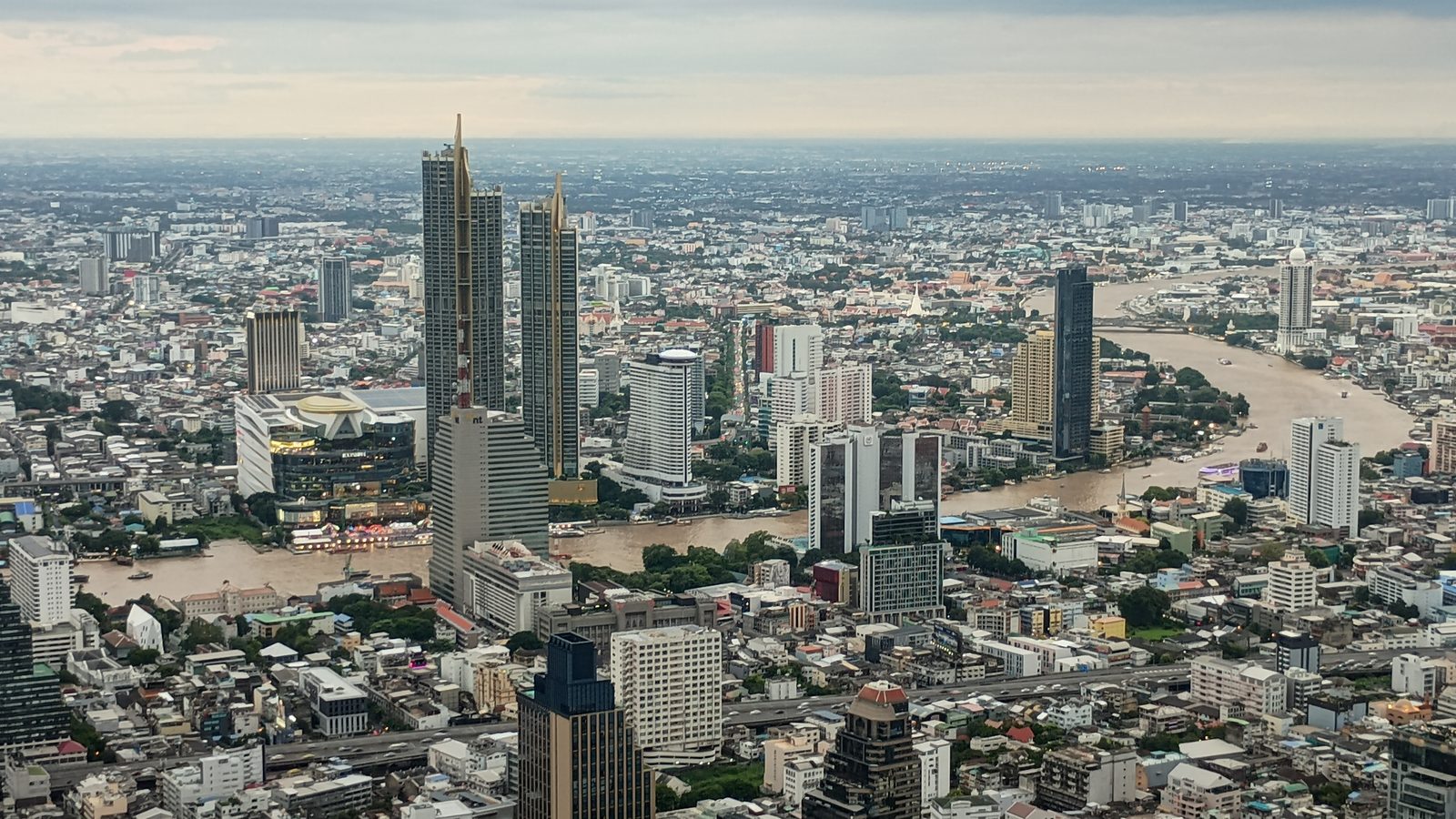
Imagine someone took a skyscraper and decided to… take a bite out of it. That’s exactly what King Power Mahanakhon looks like — a 314-meter tower in Bangkok’s Silom/Sathorn district, as if a giant pixelated snake slithered through the glass façade and left a jagged spiral in its wake. This architectural punchline comes from German architect Ole Scheeren, and construction wrapped up in 2016 — for two glorious years it was Thailand’s tallest building, before the neighboring ICONSIAM tower stole its crown.
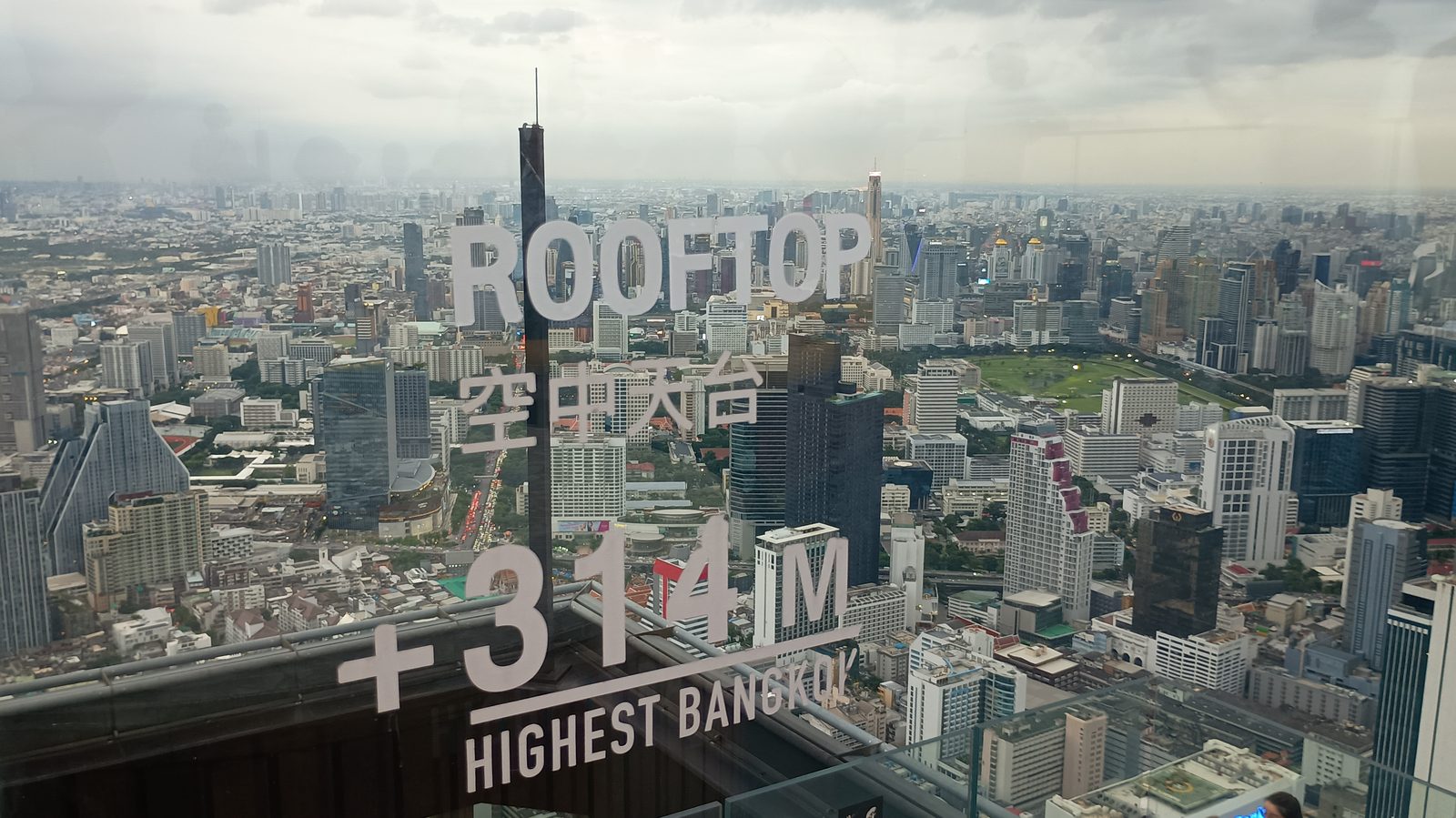
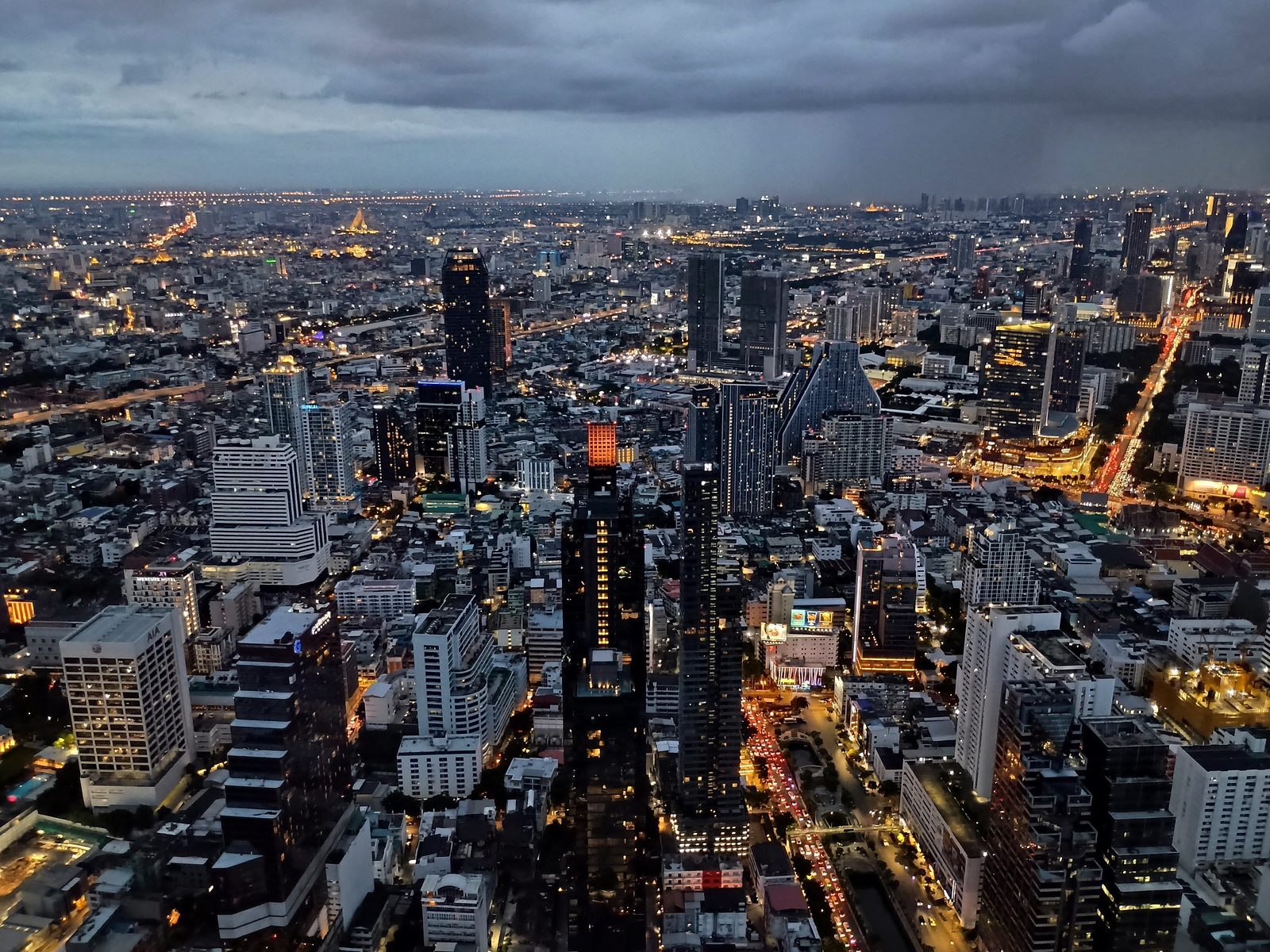
The real prize, though, is waiting at the top: the Mahanakhon Skywalk, a glass platform perched on the 78th floor with a transparent floor that lets you stare straight down 314 meters of vertical nothing. You ride up in one of the fastest video-themed elevators on the planet — the trip to the 74th floor takes just 50 seconds and is a little show all by itself. When you take that first step onto the glass, your knees turn to jelly on instinct — but the view over all of Bangkok, especially at sunset, makes every wobble worth it.
Fun fact: in 2018 the building was bought by King Power (the duty-free giant), which is why it carries their name today.
ICONSIAM — a shopping temple on the banks of the Chao Phraya
If anyone ever tells you a shopping mall is just shops, take them to ICONSIAM. This gargantuan complex on the Chao Phraya River opened in November 2018, cost an eye-watering $1.5 billion, and instantly redefined what a mall could be in Southeast Asia. Three Thai business powerhouses joined forces to create 750,000 square meters of luxury, entertainment, and… Thai culture.
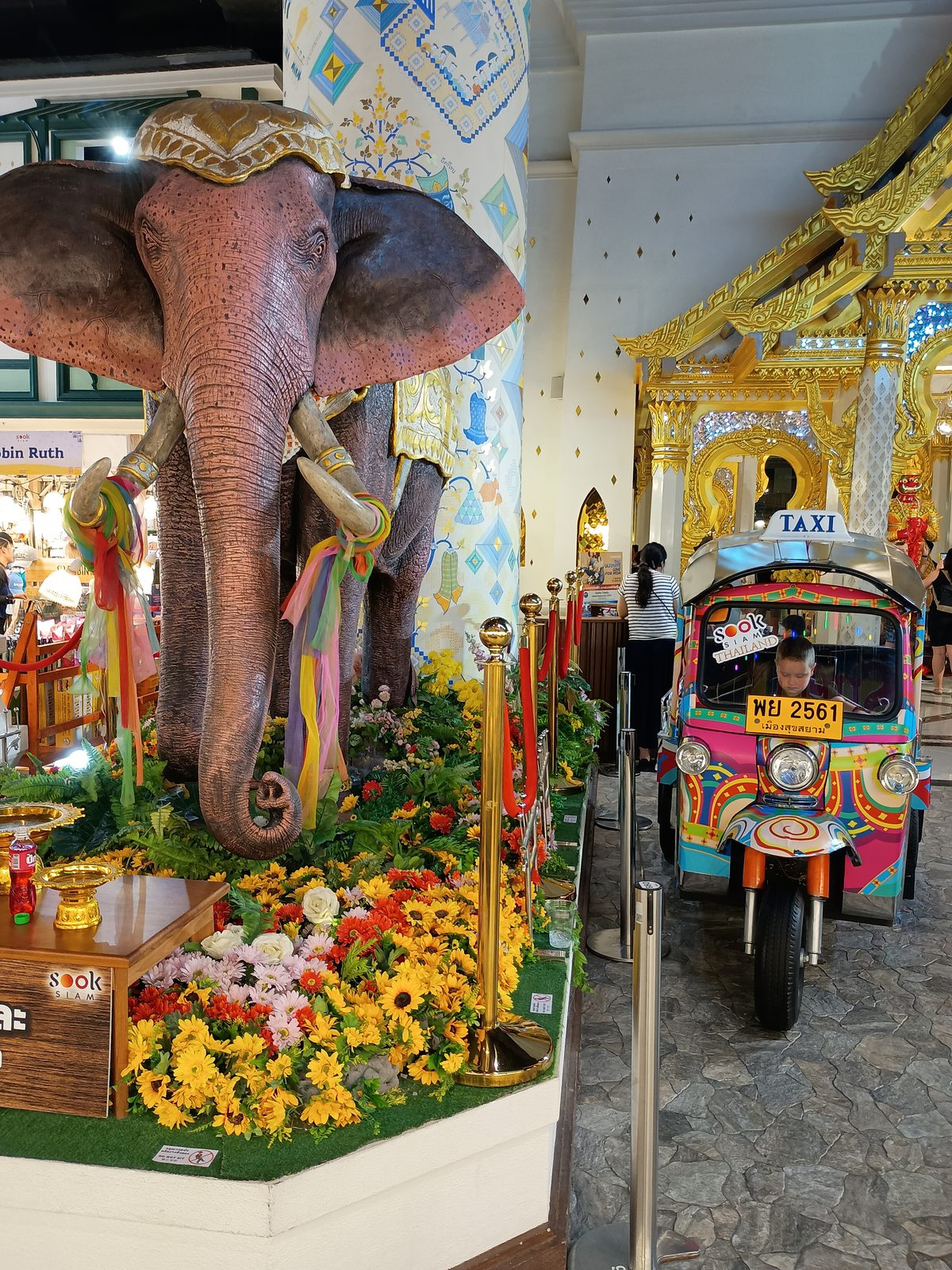
Because ICONSIAM isn’t just Gucci boutiques and Thailand’s first Apple Store — it’s also SookSiam, an indoor floating market where you can sample street food from every region of the country without ever leaving your air-conditioned table. Out front sprawls Riviera Park, home to the longest fountain in Southeast Asia (over 400 meters!) and spectacular water-and-light shows in the evening. You can get here by riding a free ferry from BTS Saphan Taksin pier — it’s half the fun.
Day 2 – August 7: Grand Palace + Wat Pho + Wat Arun
Grand Palace (Phra Borom Maha Ratcha Wang) — the heart of the Thai monarchy
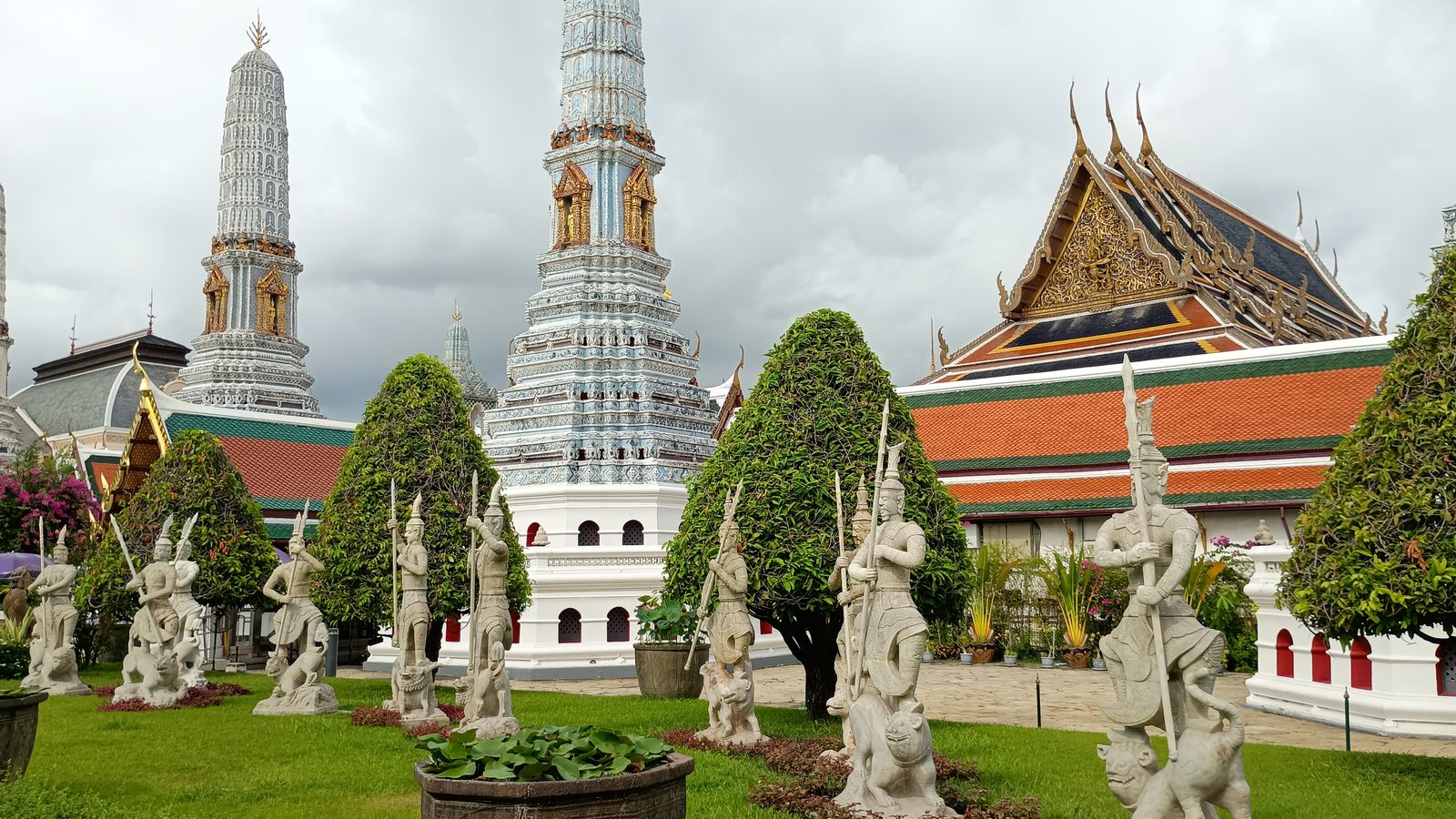
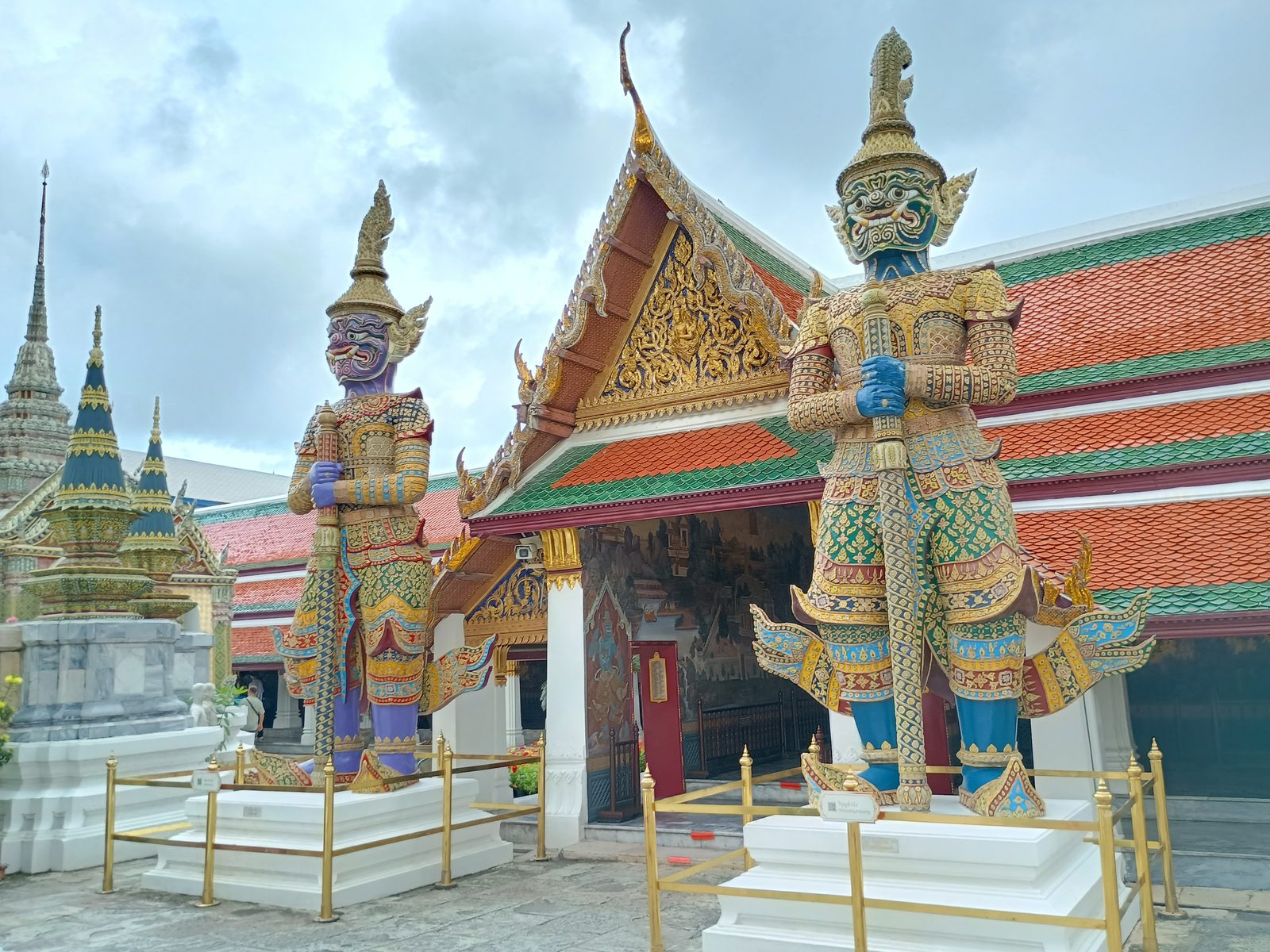
The Grand Palace is one of those places you simply have to see — and not just because every guidebook says so. Construction began on May 6, 1782, by order of King Rama I, the founder of the Chakri dynasty that rules Thailand to this day. After the fall of Ayutthaya, the new capital needed a royal seat worthy of the kingdom, and so this sprawling complex rose on Rattanakosin Island, right in the heart of old Bangkok.
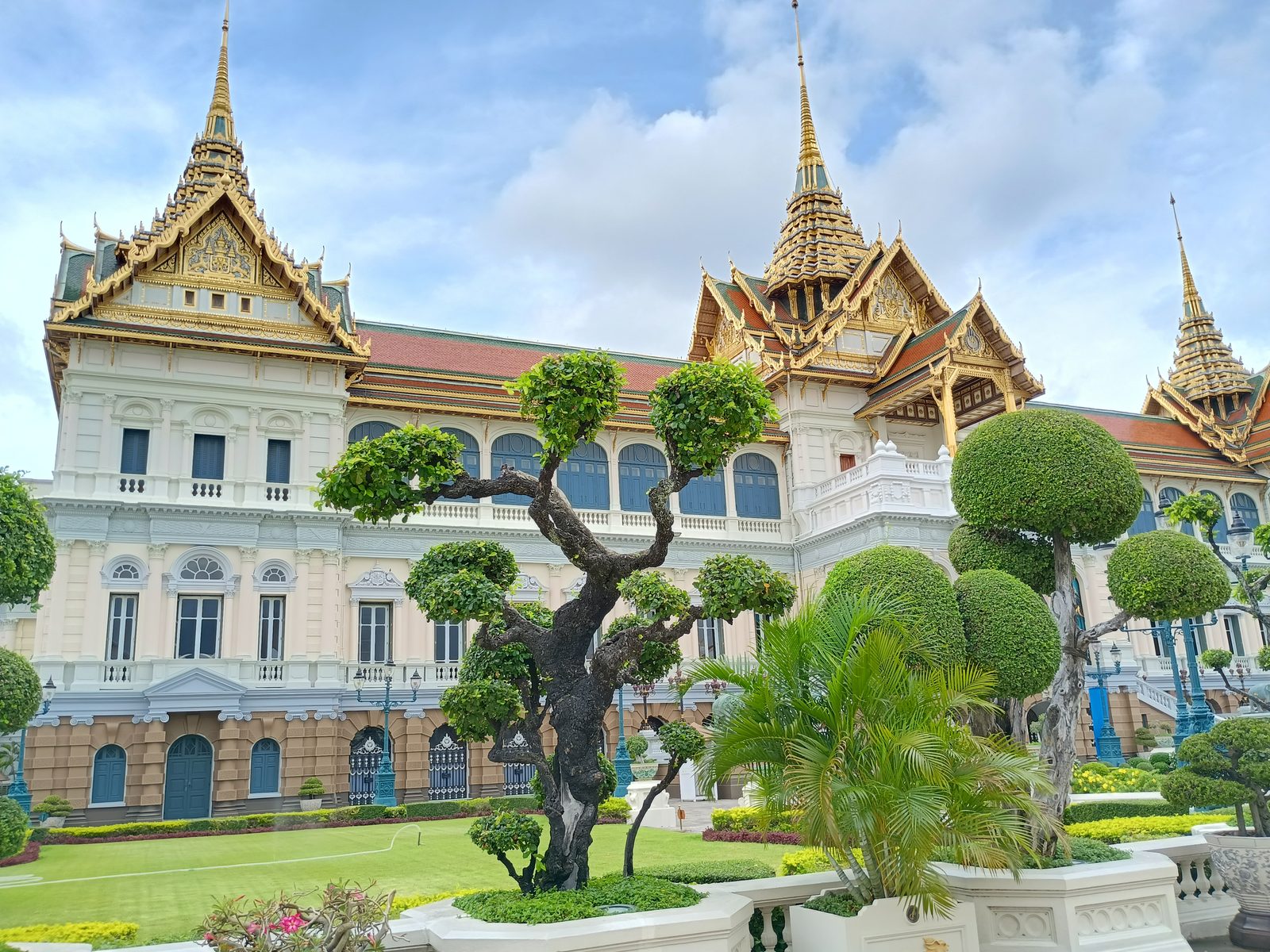
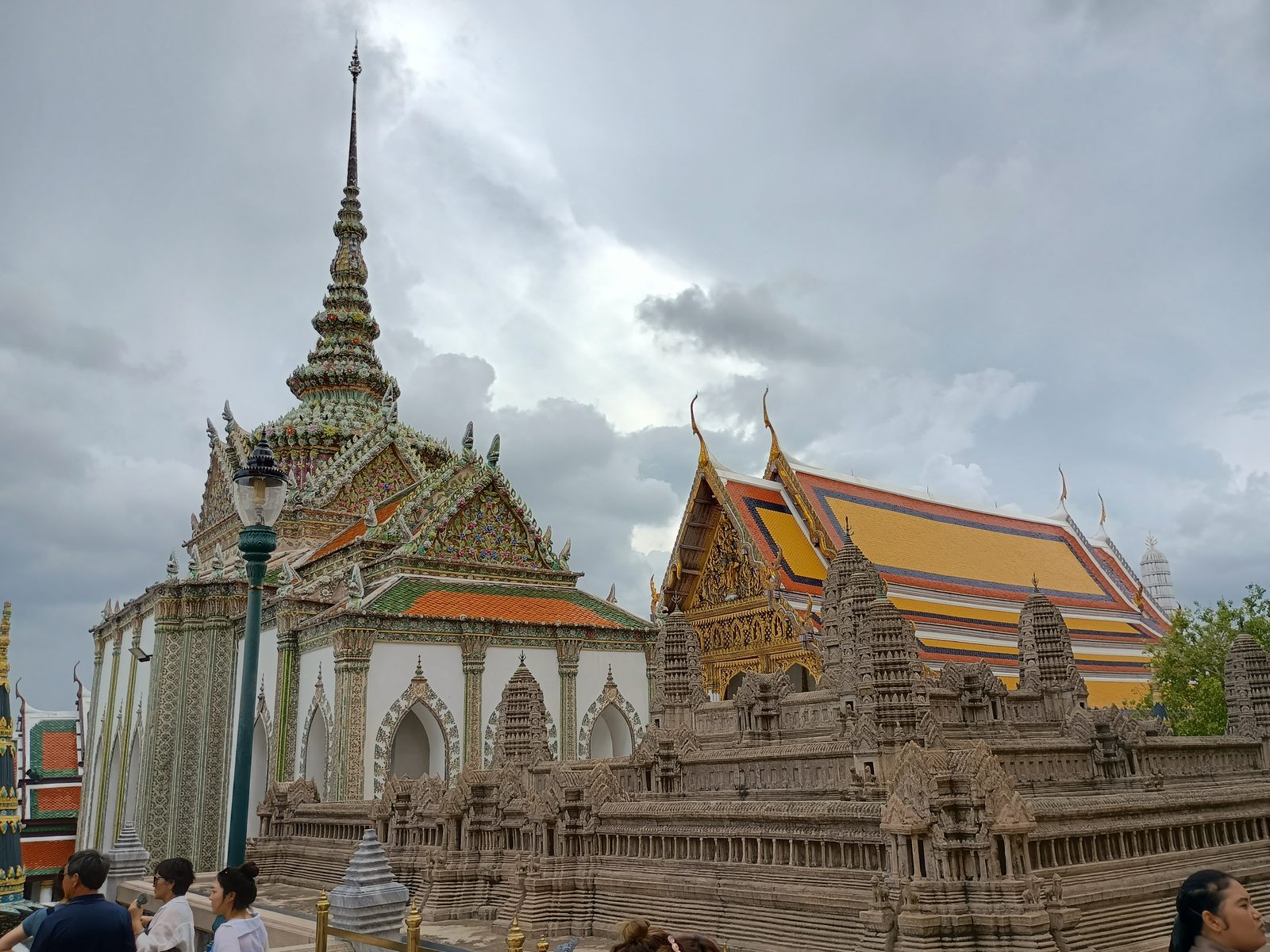
Tucked inside its walls is Wat Phra Kaew, the Temple of the Emerald Buddha — the holiest site in all of Thailand. The Emerald Buddha isn’t actually emerald (it’s jade!), stands just 66 centimeters tall, and its robes are changed by the king himself three times a year to match the seasons. The palace is a dizzying mash-up of Thai and European architecture — the Chakri Maha Prasat throne hall sports a traditional Thai roof perched on top of what is essentially a Victorian palace body. It shouldn’t work. It absolutely does.
Wat Pho — the Reclining Buddha, massage, and one hundred and eight mysteries
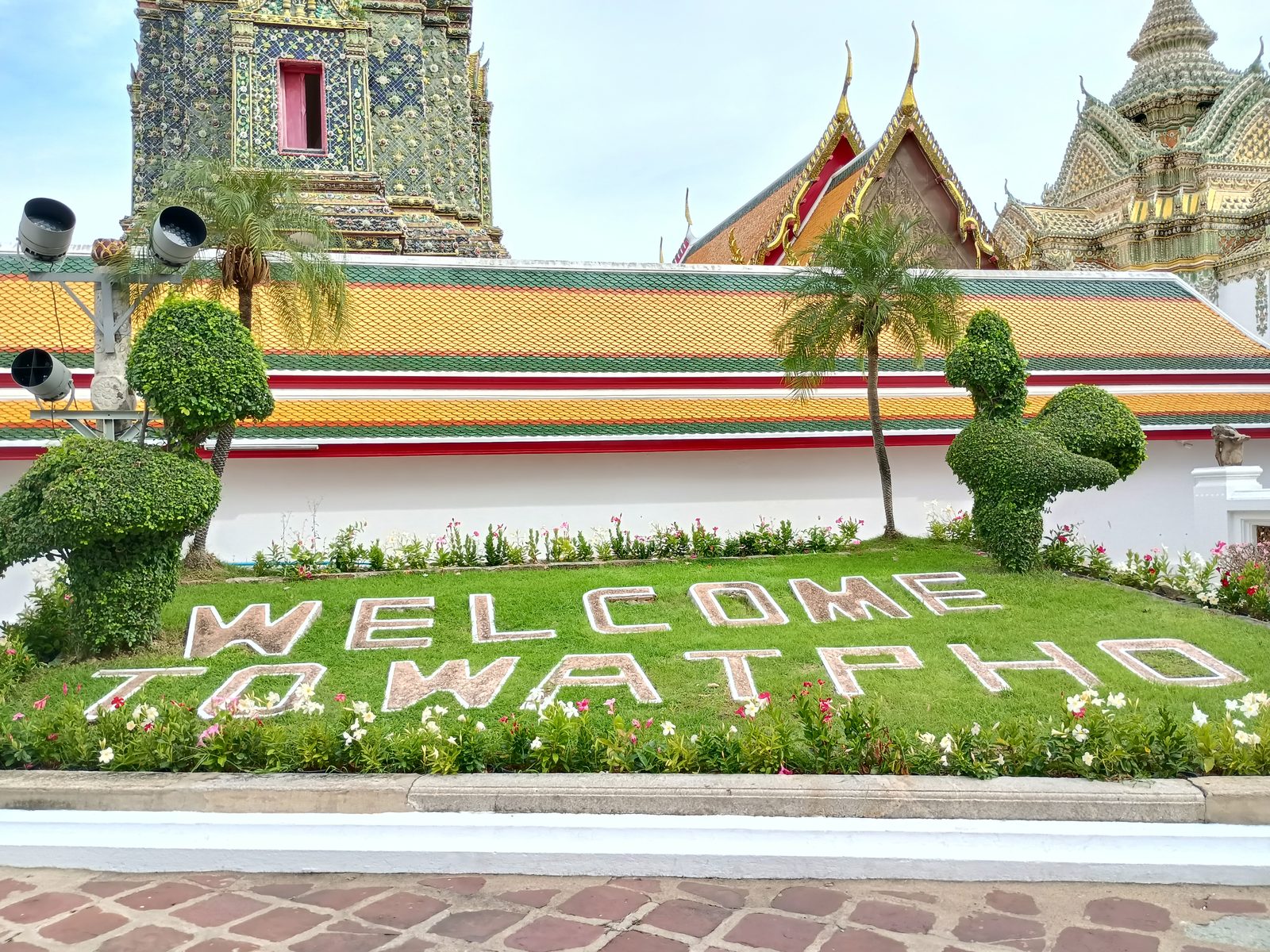
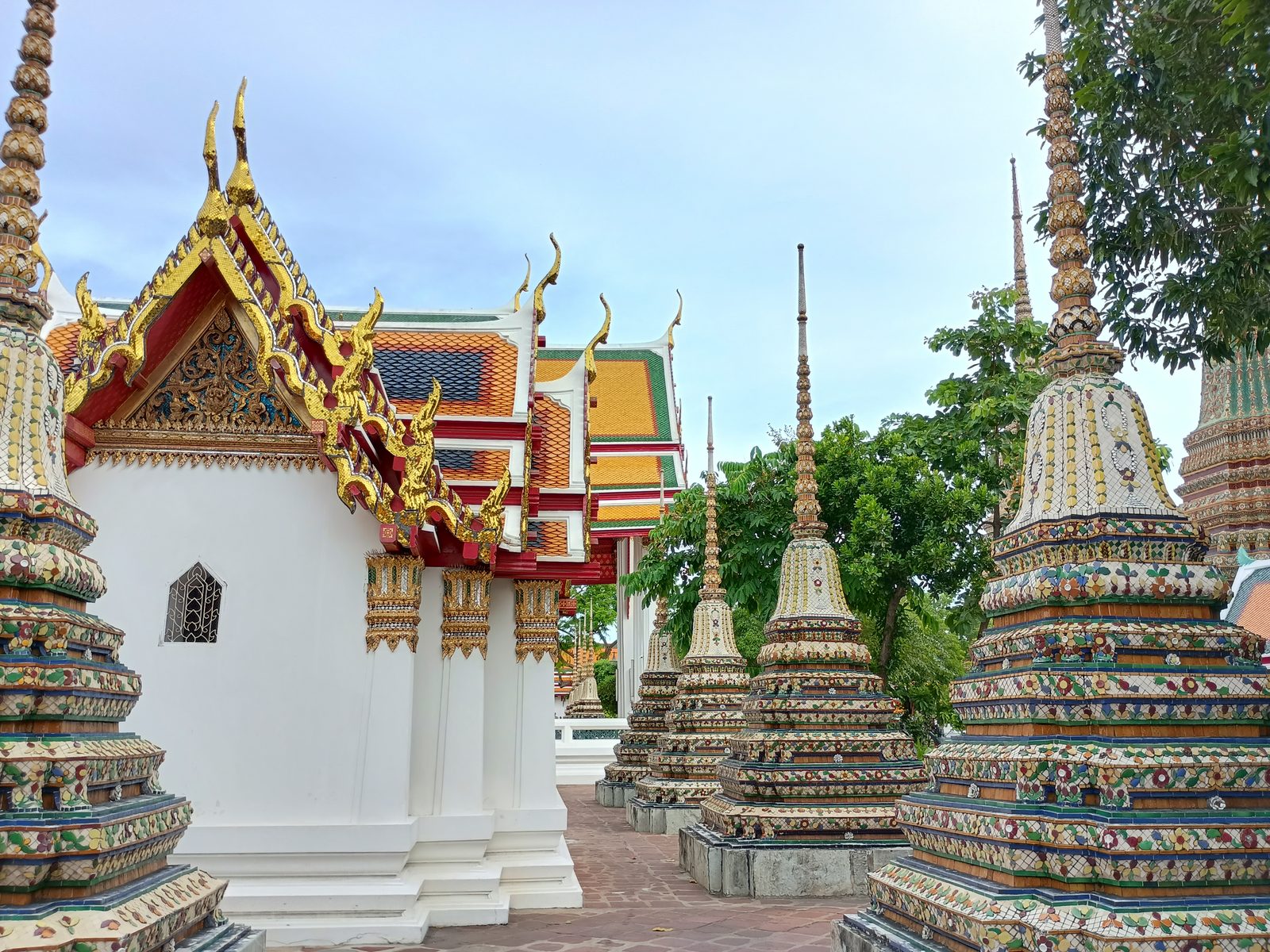
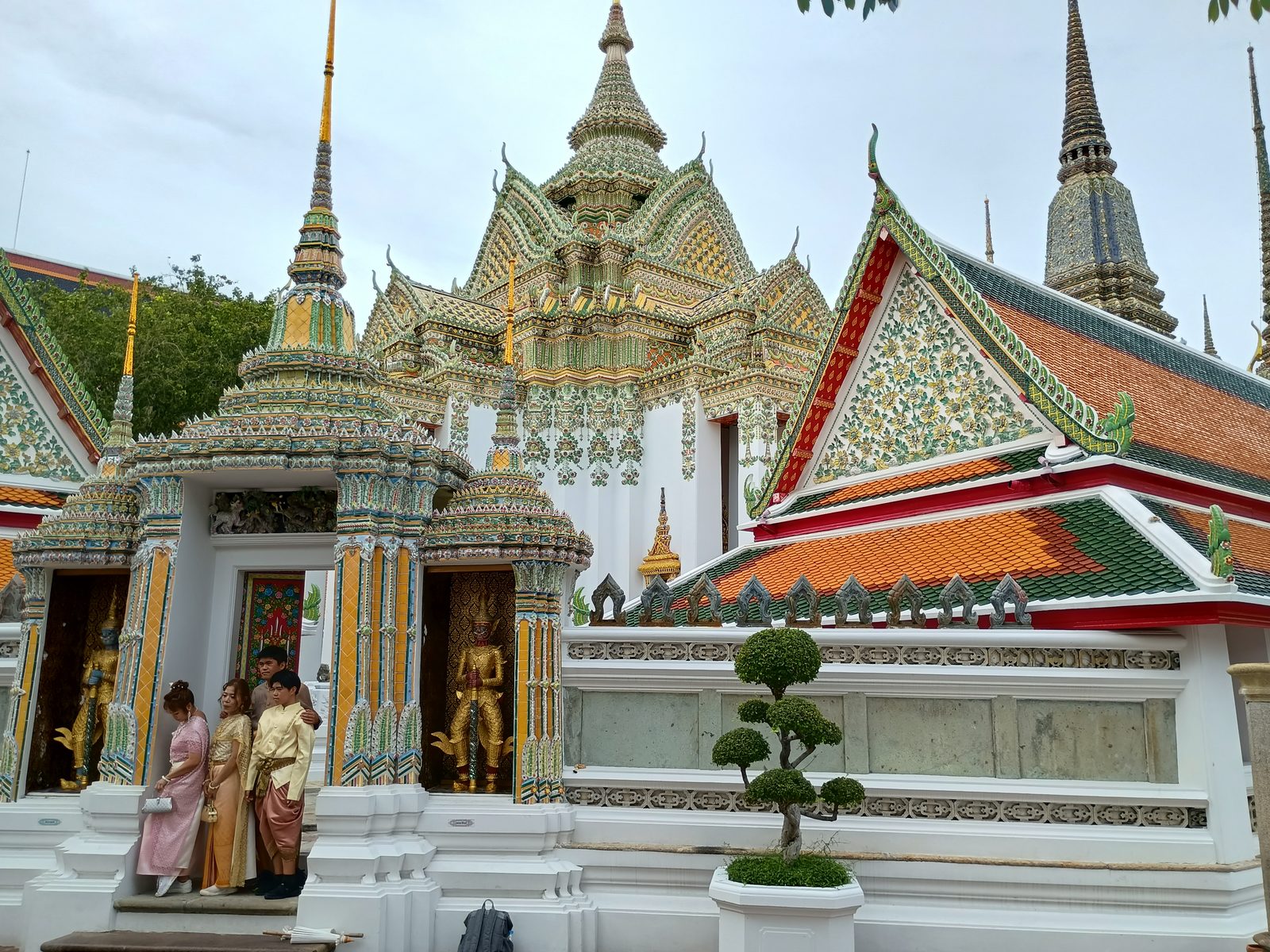
Just a few minutes’ walk from the Grand Palace lies Wat Pho, Bangkok’s oldest temple. This is where you’ll find the 46-meter-long, gold-leafed Reclining Buddha — so enormous it barely fits inside its building, and its feet alone are a masterpiece in their own right. Covered in mother-of-pearl, the soles of the Buddha’s feet are divided into 108 panels bearing auspicious symbols — the number 108 represents the earthly desires one must overcome in Buddhism.
Along the wall behind the statue sit 108 bronze bowls — drop a coin into each one and you’re said to secure yourself some good fortune. Wat Pho is also the birthplace of traditional Thai massage, recognized in 2011 as part of UNESCO’s Memory of the World. The massage school founded here in 1955 has trained over 200,000 therapists. Not bad for a temple.
Wat Arun — the Temple of Dawn, which looks best at sunset
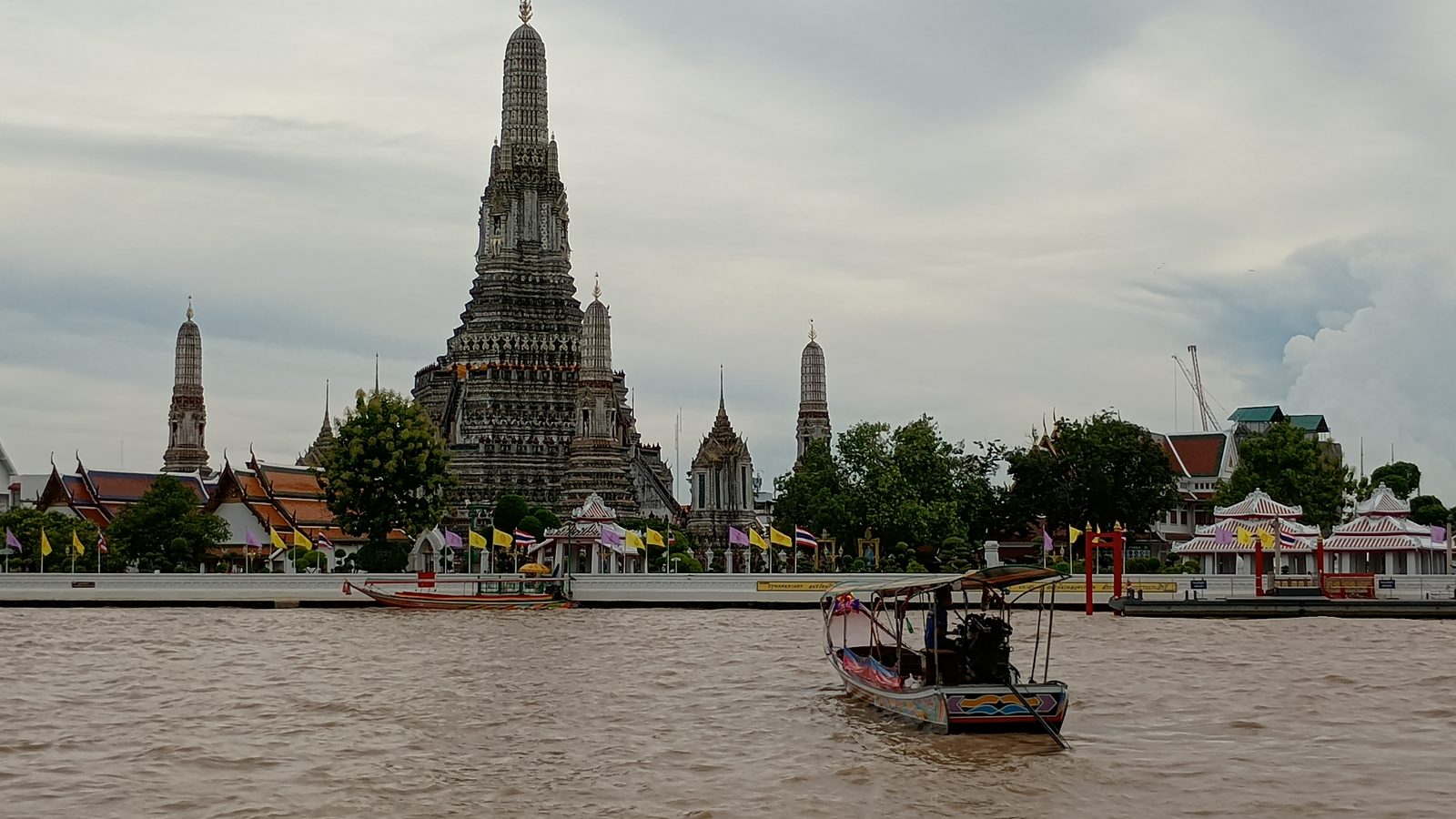
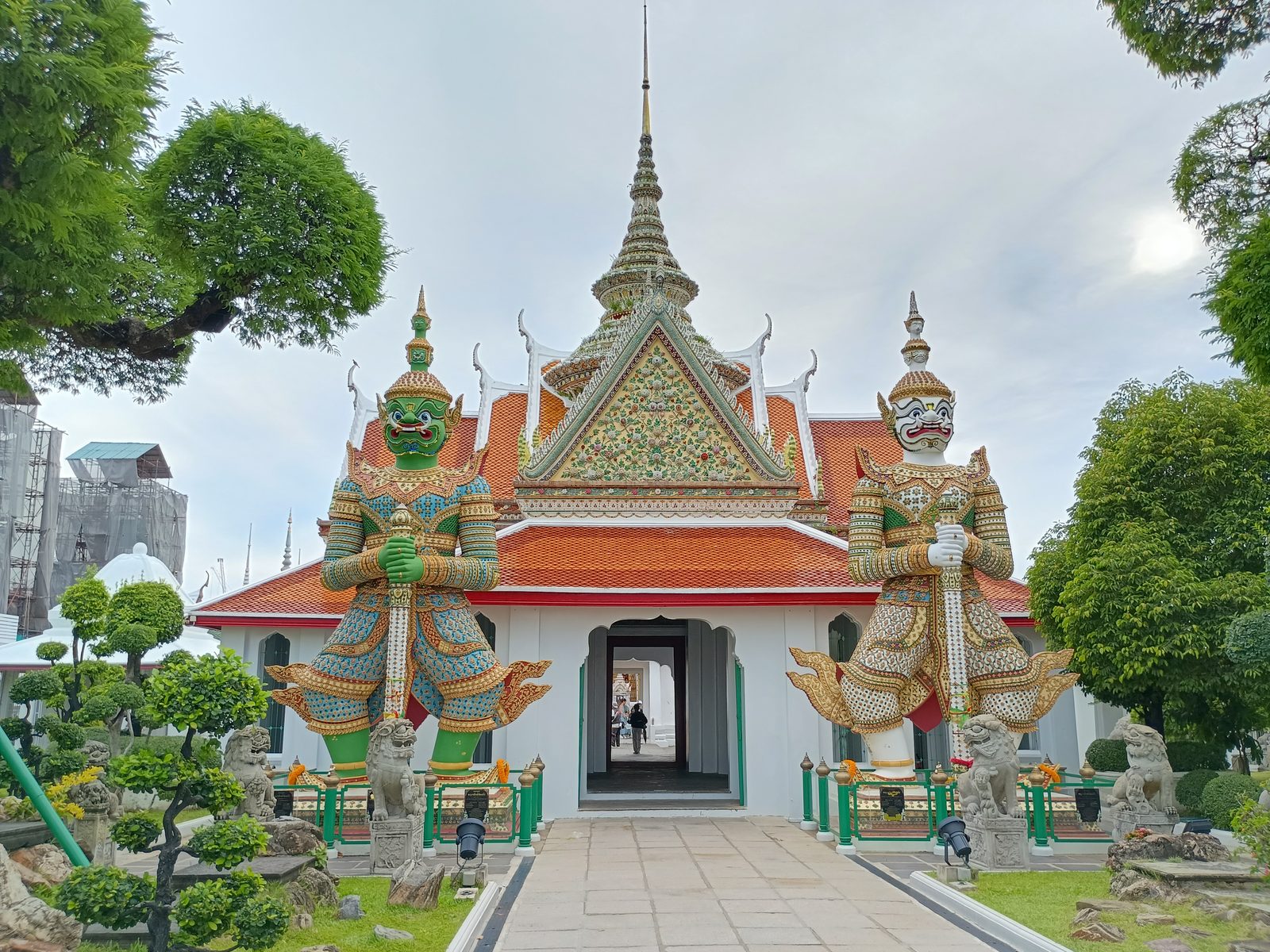
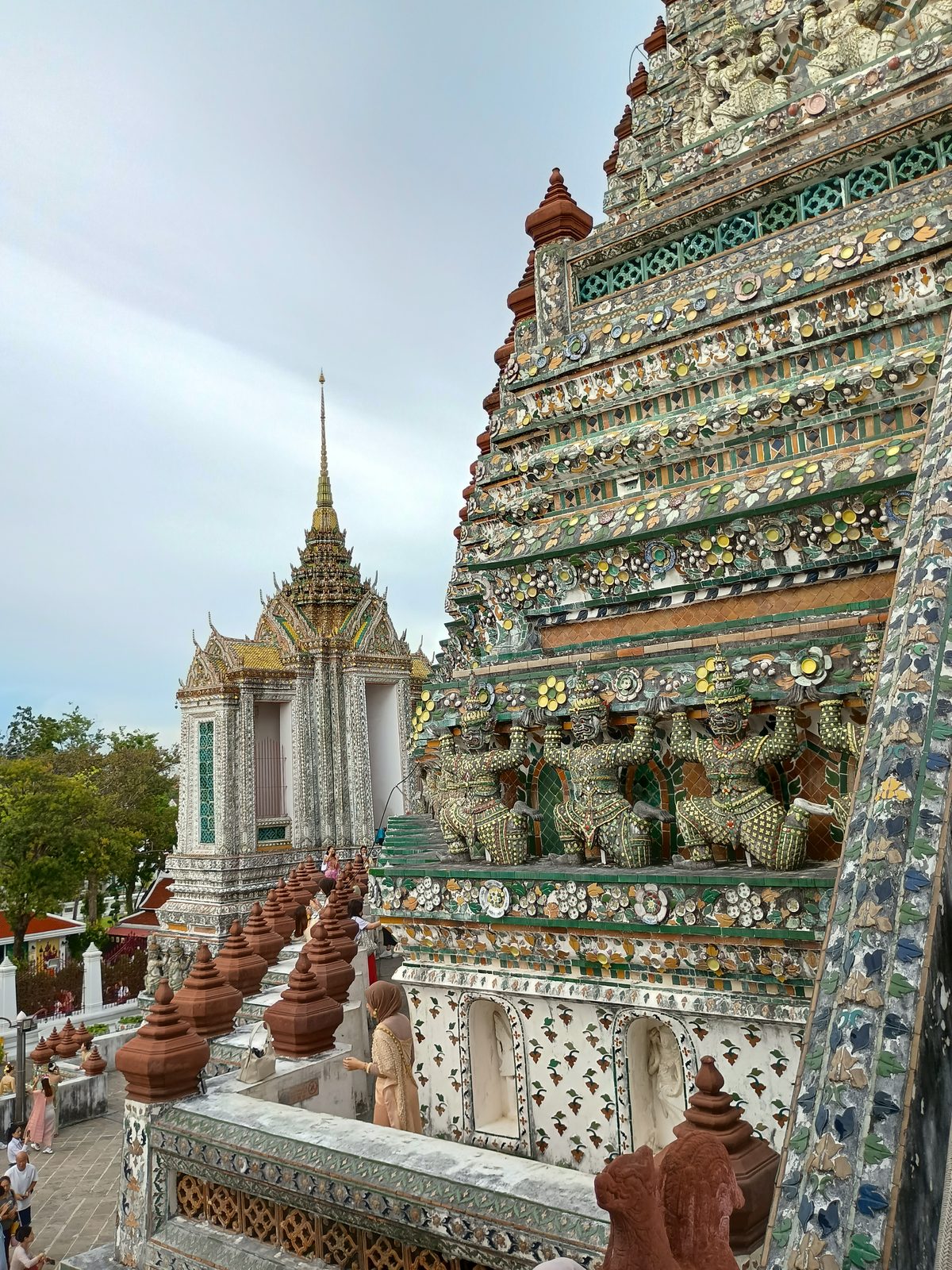
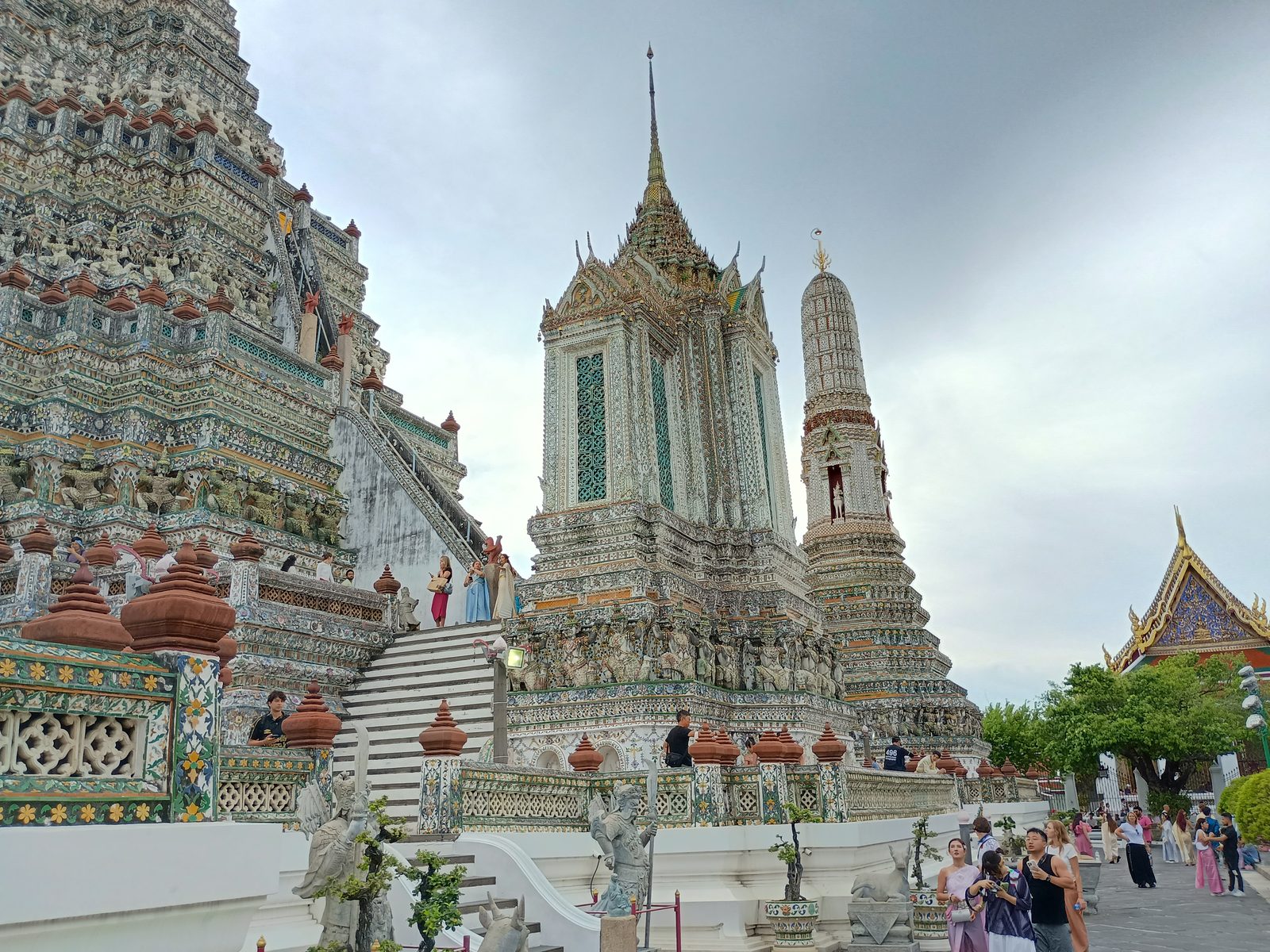
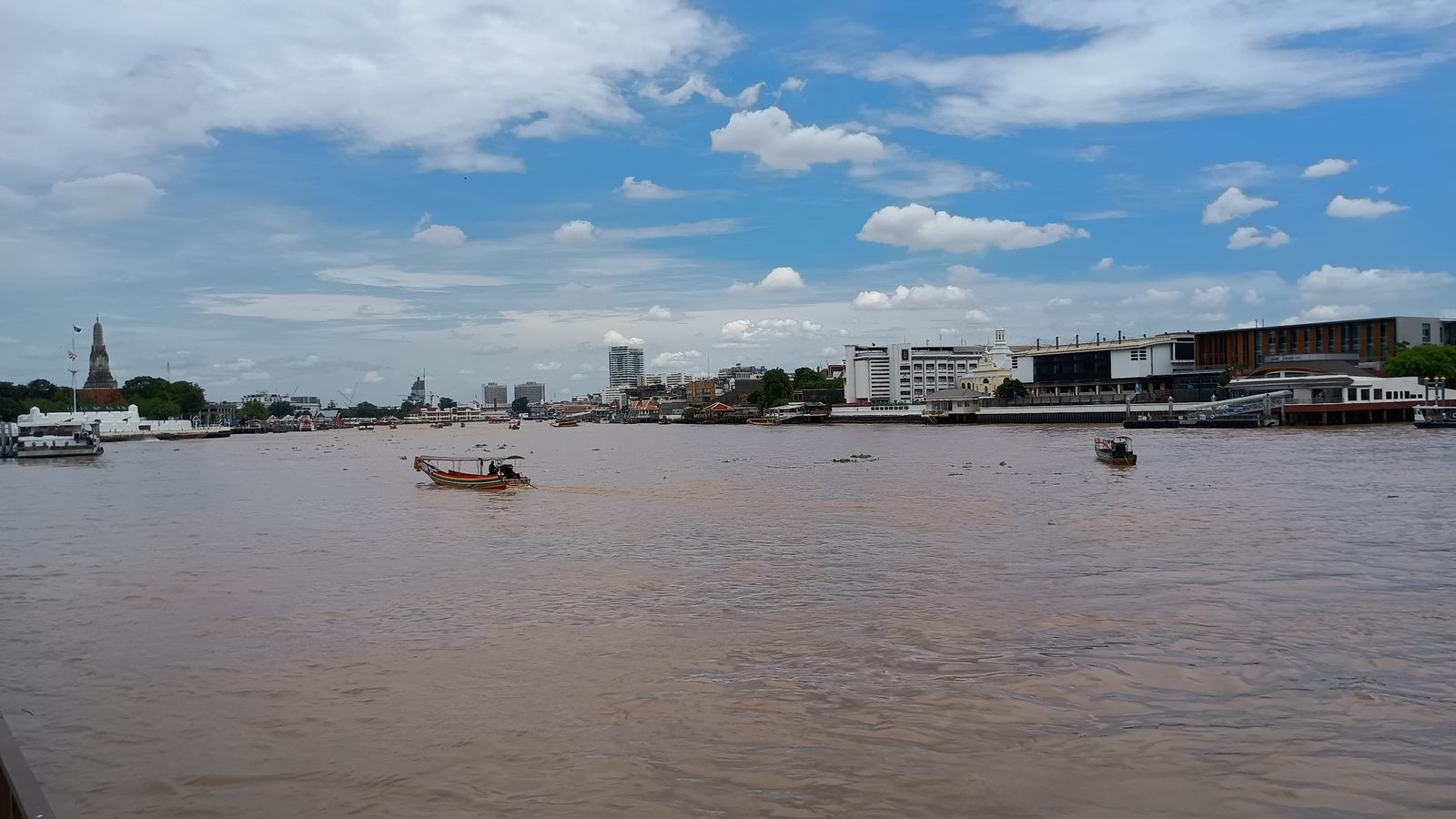
Rising on the far side of the river is Wat Arun — the Temple of Dawn. Its history reaches back to at least the 17th century. The central prang (a Khmer-style spire) stands about 82 meters tall and is encrusted with a mosaic made from roughly 10 million pieces of Chinese porcelain and seashells — ballast from trading ships, donated and repurposed into something breathtaking. You can climb the famously steep steps to the upper terraces — the view over the river and the Grand Palace is worth every screaming calf muscle.
When evening falls and the entire prang glows in golden light, the place turns genuinely magical. Wat Arun also graces the Thai 10-baht coin — go ahead, check your wallet.
Day 3 – August 8: Kudi Chin + Siam Square
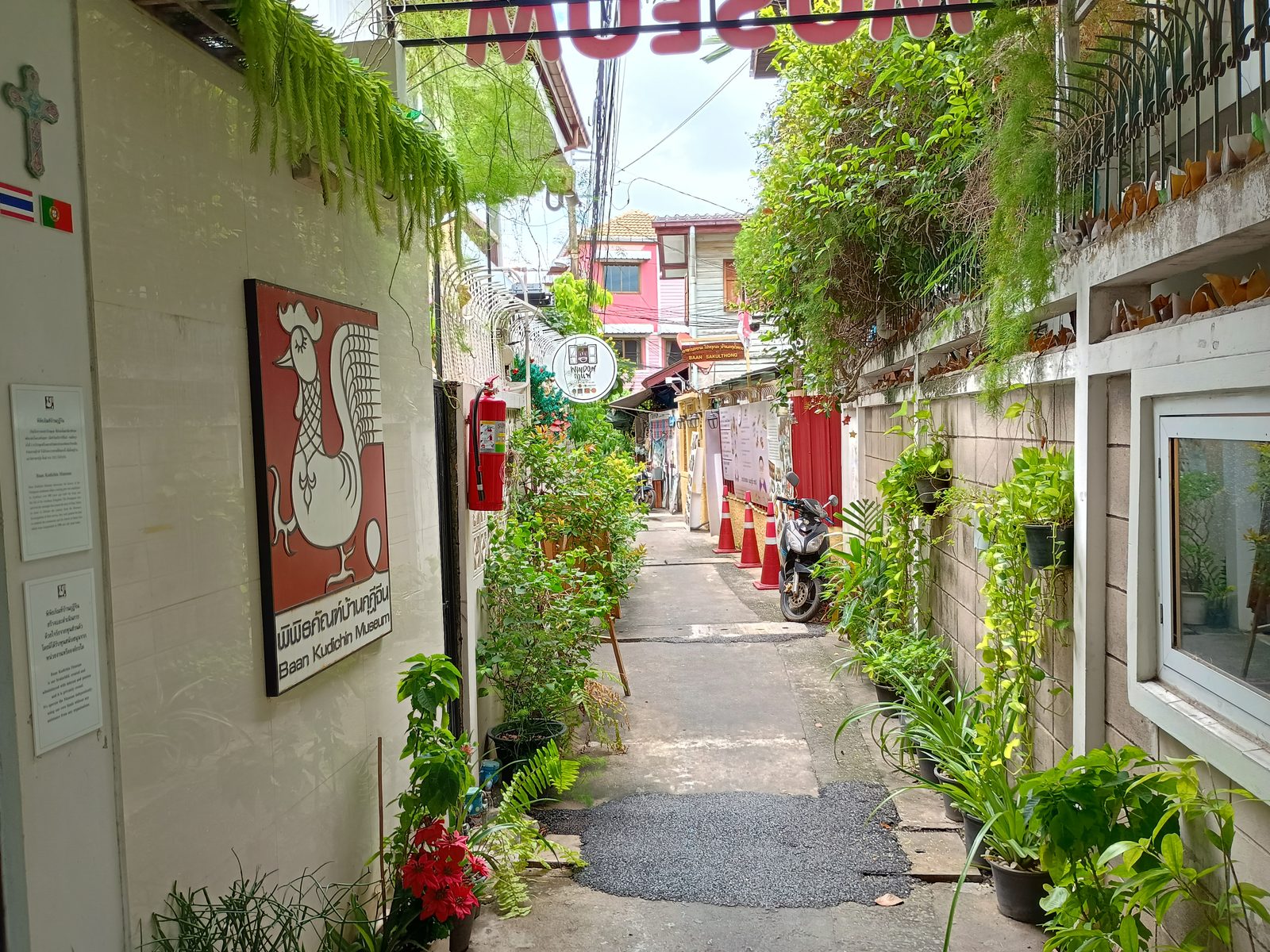
Kudi Chin — a Portuguese soul in a Thai heart
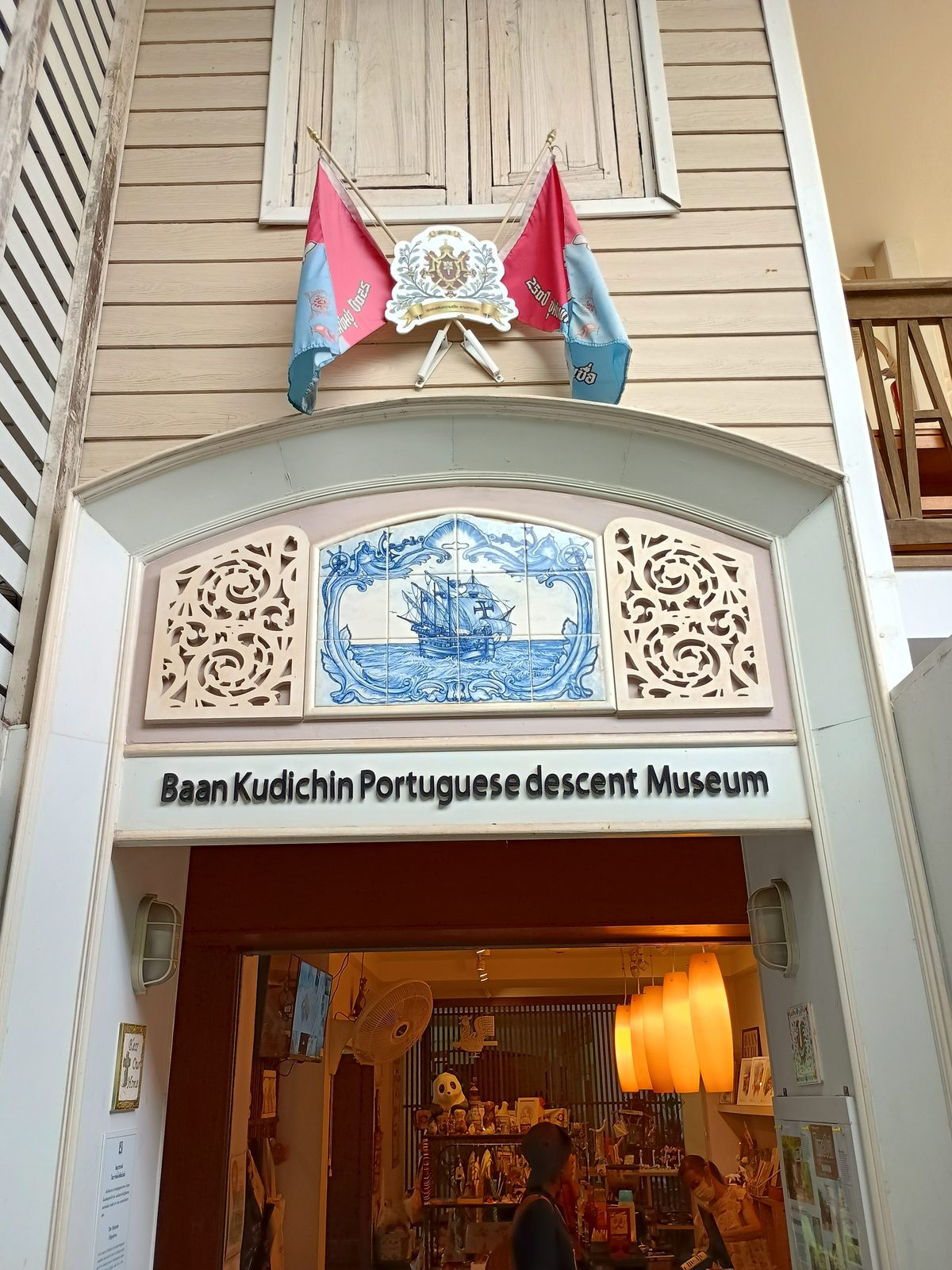
Tucked away on the western bank of the river, in the Thonburi district, lies one of Bangkok’s best-kept secrets — Kudi Chin. This historic enclave was founded by the Portuguese, who arrived in Siam as early as the 16th century, making them the first Europeans to settle here. In 1769, King Taksin granted them a plot of riverside land — on the very feast day of Santa Cruz. Today, the crimson dome of Santa Cruz Church still presides over the riverbank.
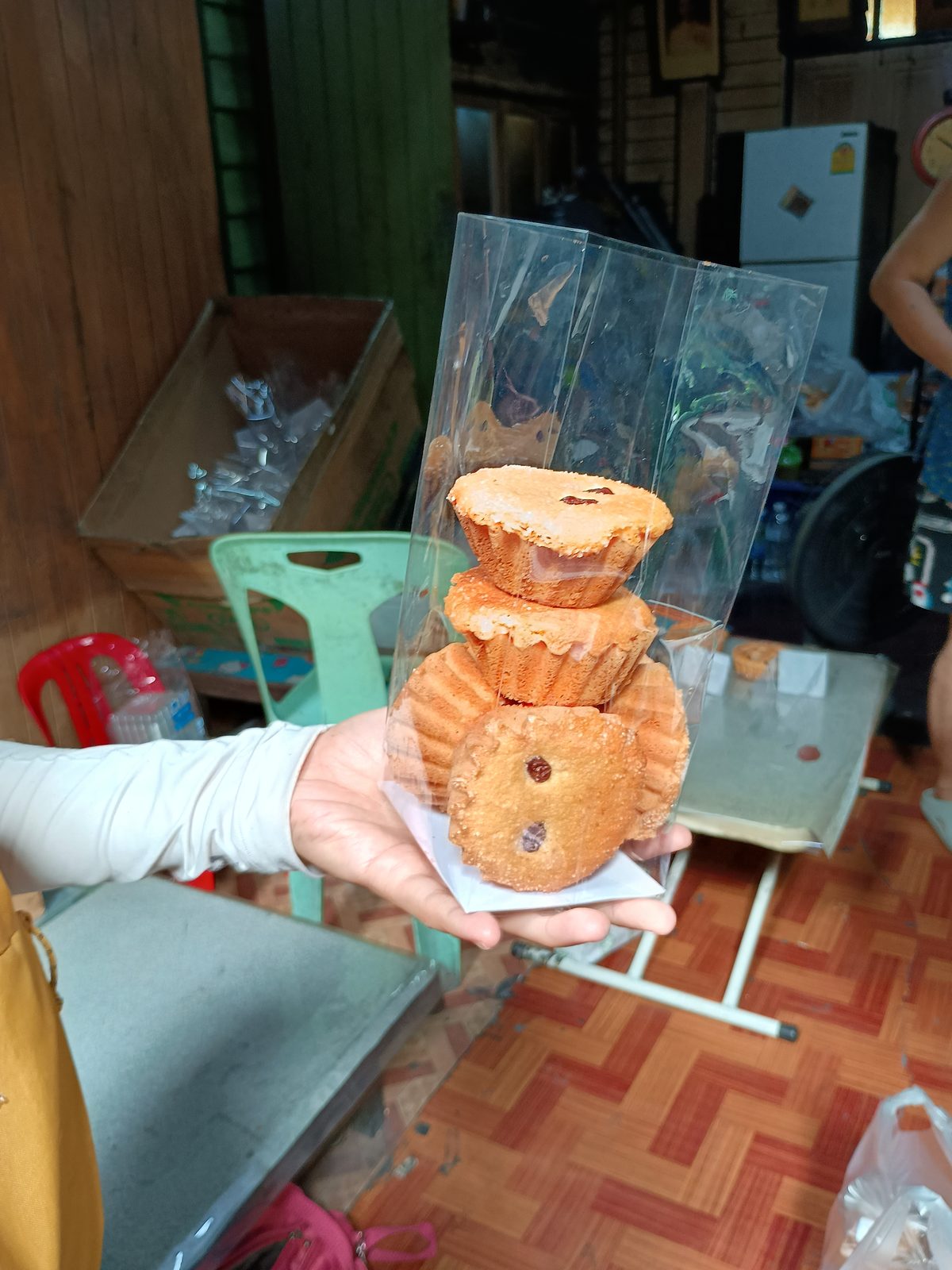
But Kudi Chin isn’t just about Christianity — a stone’s throw away you’ll find the Kudi Khao mosque and the Kuan An Keng Chinese shrine. Three faiths, one tiny neighborhood. And whatever you do, don’t leave without trying khanom farang — sweet, Portuguese-Thai cupcakes made from a recipe that’s been passed down for over 250 years. They’re dense, fragrant, and taste like history.
Siam Square — where Bangkok’s youth spends its pocket money
Siam Square is the buzzing, pulsing heart of Bangkok’s shopping scene. Built on land belonging to the prestigious Chulalongkorn University, the first commercial buildings started popping up here in the late 1960s. Today it’s a labyrinth of narrow lanes crammed with independent boutiques, coffee shops, and bubble tea stalls. Right next door loom the monster malls: MBK Center, Siam Paragon, and the Bangkok Art and Culture Centre.
When the BTS Skytrain opened in 1999 with Siam as its central interchange station, the area became the city’s undisputed transit hub. Within the span of five minutes you can buy a three-dollar t-shirt, sip a latte with serious art on top, and catch a contemporary Thai art exhibition. That’s Bangkok for you — nothing and everything at the same time, and somehow it all works.
Day 4 – August 9: Rajadamnern Stadium
Rajadamnern Stadium — where Muay Thai legends are born
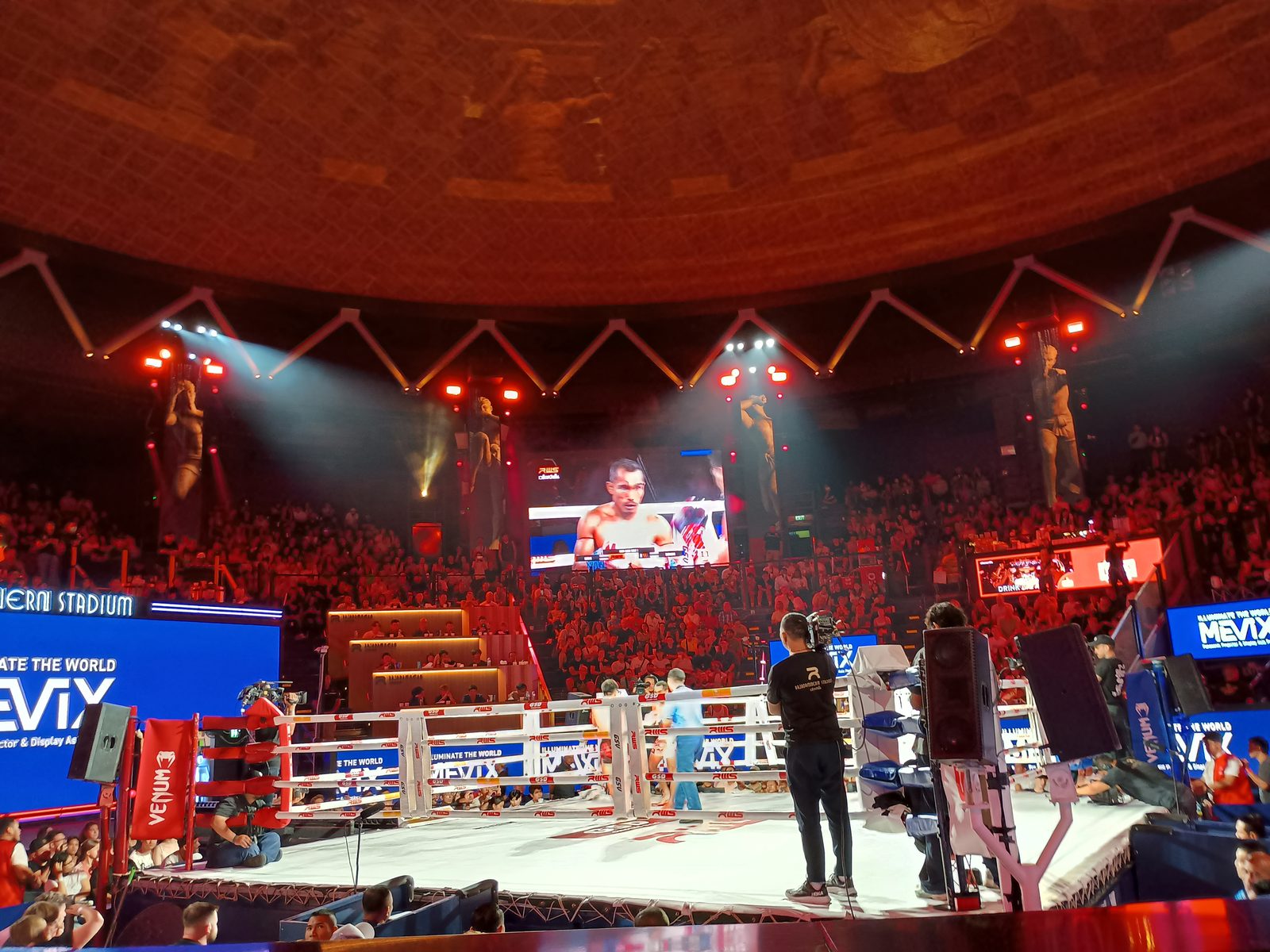
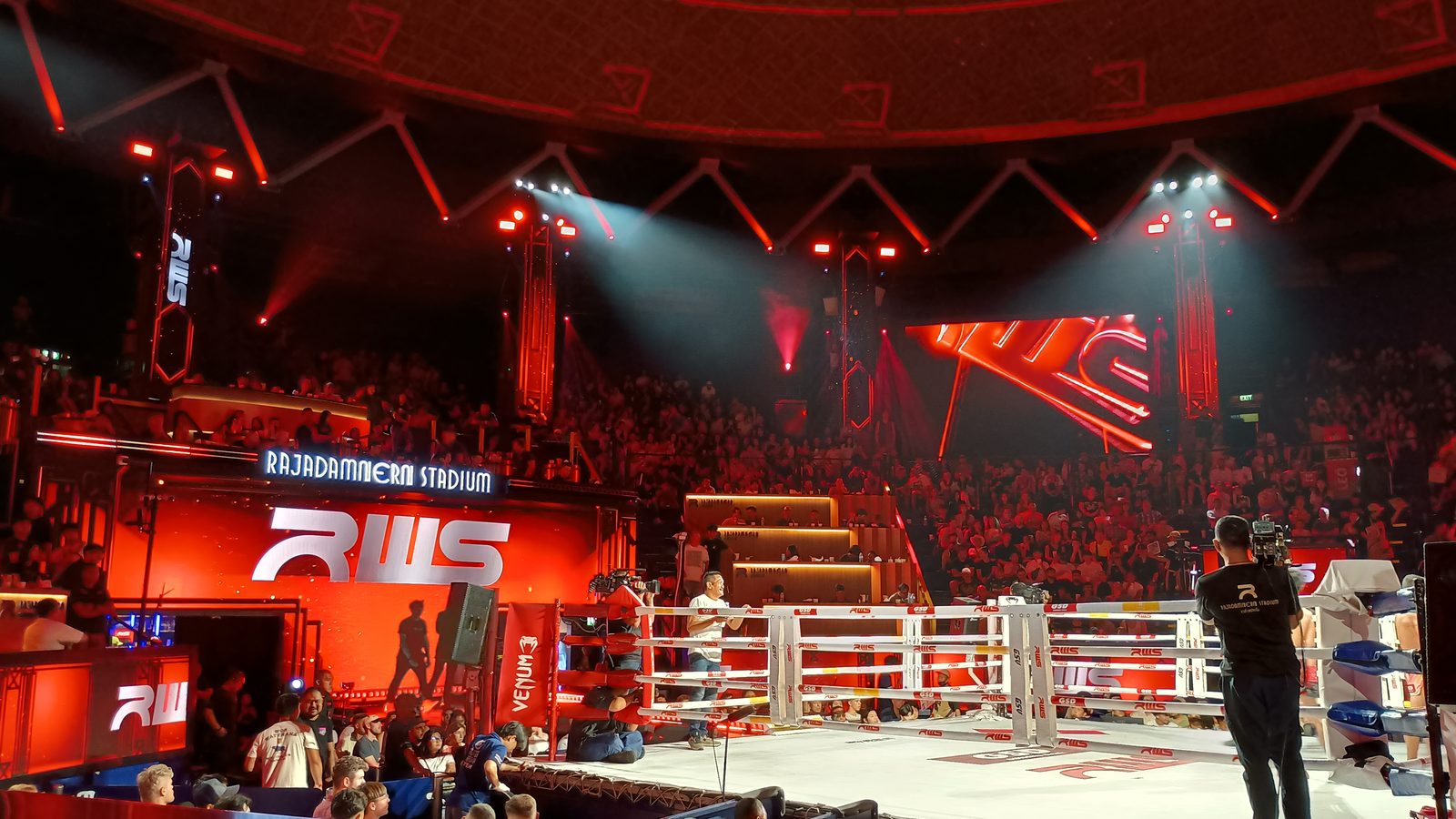
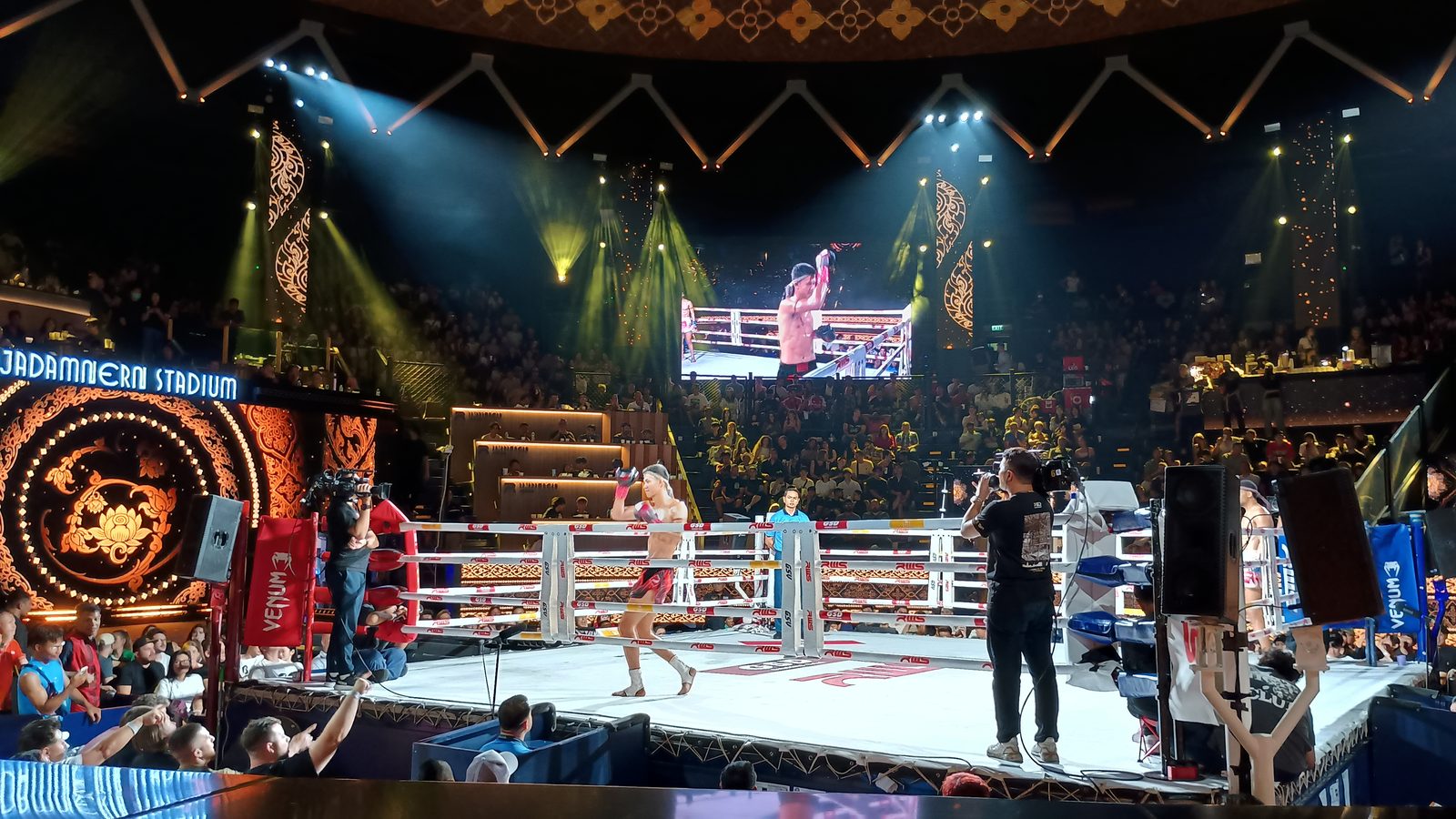
If you want to see the real spirit of Thailand — the version that kicks, elbows, and never backs down — you need to visit Rajadamnern Stadium. This is the world’s very first Muay Thai stadium, opened on December 23, 1945, along Rajadamnern Avenue, not far from the famous Khao San Road. The idea came from Thailand’s then-prime minister, Field Marshal Plaek Phibunsongkhram. Today it stands as one of the two most important arenas for Thailand’s national sport, complete with its own ranking system and championship belts.
Every fight night begins with the Wai Kru Ram Muay — a ritual dance performed by each fighter as a live orchestra plays. It’s part prayer, part psychological warfare, and entirely mesmerizing. The stadium underwent a major renovation in 2014, adding new seating sections and a roof. Even if you’re not a combat sports fan, the energy of the crowd and the sheer showmanship of the fighters will keep you glued to your seat. There’s nothing quite like it anywhere else in the world.